In the ever-evolving landscape of education, the integration of technology has become a cornerstone for enhancing teaching and learning experiences. Instructional Technology Services (ITS) play a pivotal role in helping educational institutions adapt to and benefit from modern technological advancements. Whether in K-12 schools or higher education institutions, ITS provides essential support, infrastructure, and leadership to ensure that technology is used effectively and efficiently in the classroom.
What Are Instructional Technology Services?
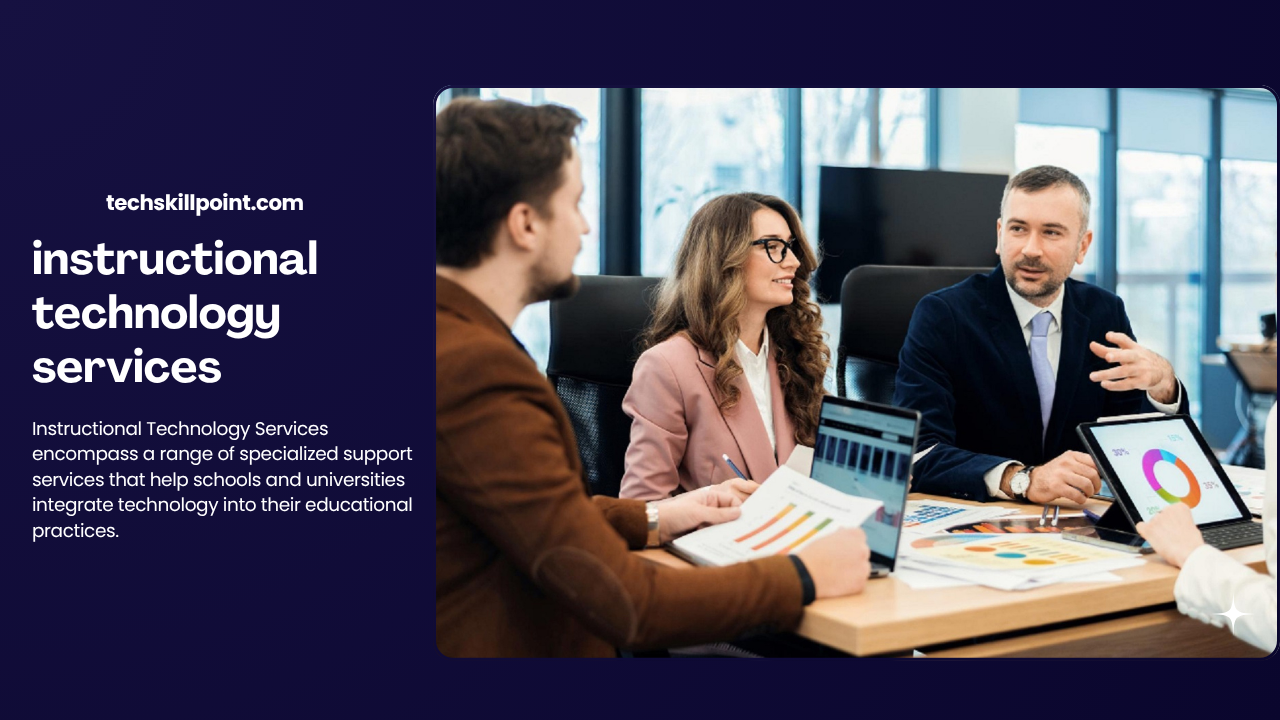
Instructional Technology Services encompass a range of specialized support services that help schools and universities integrate technology into their educational practices. These services are designed to assist educators in designing and delivering high-quality, technology-enhanced learning experiences. The primary goal is to provide faculty, students, and administrators with the tools and resources needed to enhance teaching outcomes and student engagement.
Instructional Technology Services can be found in virtually every educational institution, and they serve a critical function in improving accessibility, collaboration, and learning outcomes across all teaching environments. These services typically include instructional design support, management of Learning Management Systems (LMS), classroom technology support, and a variety of professional development and training opportunities for educators.
Core Components of Instructional Technology Services
-
Instructional Design & Support
At the heart of ITS is instructional design, which focuses on helping educators create and implement effective curriculum for various teaching formats, including online, hybrid, and in-person learning. Specialized staff, often instructional designers or technologists, collaborate with faculty members to develop courses that maximize the potential of technology. This could include advising on course structure, assessments, content delivery methods, and student engagement strategies.
Instructional designers ensure that the learning experience is learner-centered, engaging, and aligned with the educational goals of the course or program. With expertise in various digital tools and pedagogical methods, they help faculty overcome barriers and navigate the complexities of technology integration.
-
Learning Management Systems (LMS) Support
Learning Management Systems (LMS), such as Canvas, Blackboard, and Moodle, are integral to modern educational environments. These platforms provide a centralized space for students and instructors to manage course materials, assignments, grades, and communication. ITS teams offer support for the administration and management of these platforms, ensuring smooth operation and troubleshooting any issues that arise.
LMS support also includes the customization of platforms to meet the needs of specific departments or courses, as well as assisting instructors in effectively using LMS features for creating and organizing content, grading, and communicating with students. Given the widespread use of LMS, the ITS department’s role is essential to ensuring seamless delivery of online and hybrid learning.
-
Classroom Technology & AV Support
Technology is increasingly playing a role in traditional classrooms, with smart classrooms becoming more common. ITS plays a vital role in the installation and maintenance of classroom technology, such as projectors, interactive whiteboards, video conferencing systems, and microphones. This support ensures that teachers and students can easily access and use technology to enhance learning.
Whether it’s setting up video conferences for remote guest speakers, ensuring that AV equipment runs smoothly for presentations, or troubleshooting issues with digital displays, the ITS team ensures that classrooms remain equipped with the necessary tools for successful instruction. This also includes ensuring that technology integrates smoothly with other educational tools, creating a seamless learning environment for both instructors and students.
-
Digital Tools & Media Services
In today’s digital-first world, educational institutions are increasingly leveraging advanced technologies like virtual reality (VR), augmented reality (AR), and screen casting tools to create immersive learning experiences. ITS teams provide support for a variety of digital tools, including Camtasia for screen recording, Zoom for web conferencing, and platforms for online assessments. They help educators design and deliver content in dynamic, interactive formats that engage students and improve retention.
The ITS department also assists in creating and implementing digital media assets, such as instructional videos, podcasts, and interactive multimedia content, that bring a diverse range of resources to learners. These tools not only enhance learning outcomes but also provide instructors with the ability to present content in new and exciting ways.
-
Training & Professional Development
Technology continues to evolve rapidly, and ITS departments play an important role in keeping faculty and staff up-to-date with the latest tools and teaching methods. Workshops, webinars, and one-on-one training sessions are offered to help educators leverage new technologies effectively. The training includes topics like how to use LMS platforms, incorporate multimedia into lessons, or integrate emerging technologies such as AI and VR into teaching.
These professional development opportunities empower educators to adopt modern pedagogical practices, improve instructional delivery, and enhance the overall learning experience for their students. Continuous learning and professional growth are essential to helping instructors stay ahead in an increasingly digital education landscape.
-
Equipment Checkout Services
Many institutions provide equipment checkout services through ITS to ensure that students and faculty have access to the necessary tools for successful learning and teaching. This can include items like laptops, microphones, cameras, and other multimedia equipment. These resources are essential for creating high-quality content, conducting research, and facilitating remote learning.
In addition to traditional hardware, ITS teams often provide technical support for the equipment being checked out, ensuring that everything is working correctly and that users are comfortable with the tools provided. This service helps to ensure that all learners, regardless of their personal resources, can participate fully in educational experiences.
Key Benefits of Instructional Technology Services
-
Enhanced Pedagogical Approaches
By incorporating technology into teaching and learning, ITS helps to foster active learning environments where students are more engaged and participatory. Interactive and multimedia-rich content keeps students engaged, while digital assessments and instant feedback help them understand their progress. Additionally, ITS supports instructors in creating and delivering content that adapts to students’ needs and promotes deeper learning.
-
Accessibility & Inclusion
A crucial aspect of ITS is ensuring that technology and course materials are accessible to all students, including those with disabilities. ITS teams work closely with faculty to ensure compliance with accessibility standards, providing alternative formats such as captions for videos, screen reader-friendly materials, and support for assistive technologies. This focus on inclusion ensures that every student can benefit from the learning experience, regardless of their individual needs.
-
Improved Flexibility
The rise of online and hybrid learning options has created new opportunities for flexibility in education. ITS plays a central role in supporting these formats, making it easier for students to access coursework from anywhere and at any time. This flexibility allows for personalized learning paths and enables students to balance their education with work and family commitments.
-
Data-Driven Instruction
One of the key benefits of instructional technology is the ability to gather and analyze data. ITS supports instructors in using analytics to monitor student performance and identify areas where students may be struggling. By utilizing assessment tools and tracking progress, educators can make data-driven decisions about how to improve the learning experience and provide targeted support to students who need it most.
The Future of Instructional Technology Services
As technology continues to advance, the role of Instructional Technology Services will only become more critical. In the future, we can expect even greater integration of AI, machine learning, and virtual classrooms into teaching and learning environments. ITS will likely be at the forefront of this transformation, helping educators and students navigate new tools and technologies.
Additionally, as personalized learning becomes more prominent, ITS will play a key role in ensuring that the right technologies are in place to support individual learning paths and outcomes. Whether through the use of adaptive learning technologies, learning analytics, or immersive VR environments, ITS will continue to support the evolving needs of the modern classroom.
Conclusion
Instructional Technology Services are essential to the growth and success of modern education. By providing vital support and resources, ITS helps create dynamic, engaging, and accessible learning environments that benefit both instructors and students. With the ongoing evolution of educational technology, the importance of ITS will only continue to grow, ensuring that educational institutions remain at the forefront of technological innovation in teaching and learning.
Frequently Asked Questions (FAQs) about Instructional Technology Services
What are Instructional Technology Services (ITS)?
Instructional Technology Services (ITS) encompass a range of tools, services, and support designed to help educational institutions integrate technology into the teaching and learning process. These services typically include instructional design support, learning management system (LMS) management, classroom technology maintenance, and professional development for educators.
How does ITS support educators and students?
ITS supports educators by helping them design effective courses, providing technical support for classroom technology, and offering professional development opportunities to improve teaching strategies. For students, ITS ensures that they have access to digital learning tools, maintains accessibility standards, and facilitates personalized learning experiences through online and hybrid formats.
What types of technologies are included in Instructional Technology Services?
ITS includes a wide array of technologies, such as Learning Management Systems (LMS) like Canvas, Blackboard, or Moodle, classroom AV technology like projectors and microphones, digital media tools like Camtasia and Zoom, and virtual reality (VR) tools. These technologies are used to create engaging and interactive learning environments.
How do ITS teams assist with Learning Management Systems (LMS)?
ITS teams help with the setup, administration, and customization of LMS platforms, ensuring that educators can easily upload and manage course materials, assignments, grades, and communicate with students. They also offer troubleshooting support and ensure that the platform operates smoothly.
What is the role of instructional designers in ITS?
Instructional designers play a key role in helping faculty design, develop, and implement effective curriculum for online, hybrid, and in-person learning environments. They provide guidance on course structure, content delivery, assessment methods, and how to integrate technology to enhance the learning experience.